Poison Oak Removal in Delaware County, PA
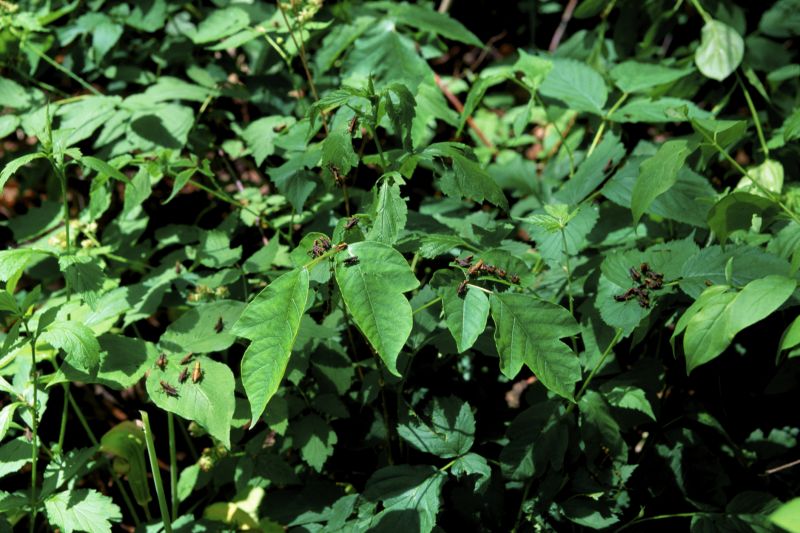
Poison oak removal services are designed to safely eliminate this hazardous plant from residential properties, helping homeowners reduce the risk of skin irritation and allergic reactions. These services typically involve identifying and carefully removing poison oak from lawns, gardens, wooded areas, or other outdoor spaces. Projects may range from clearing small patches in flower beds to larger-scale removals in overgrown yards or wooded sections, ensuring the property is safer and more enjoyable for outdoor activities.
Property owners interested in poison oak removal should understand the importance of proper identification and removal techniques to prevent regrowth and exposure. It is helpful to inquire about the methods used, the experience with similar projects, and any necessary follow-up maintenance. Proper removal not only minimizes health risks but also helps maintain the aesthetic appeal and safety of outdoor spaces around homes and properties in the Delaware County area.
Many property owners in Delaware County, PA look into Poison Oak Removal for repairs, replacements, upgrades, and appearance-related improvements.
Understanding Poison Oak Risks
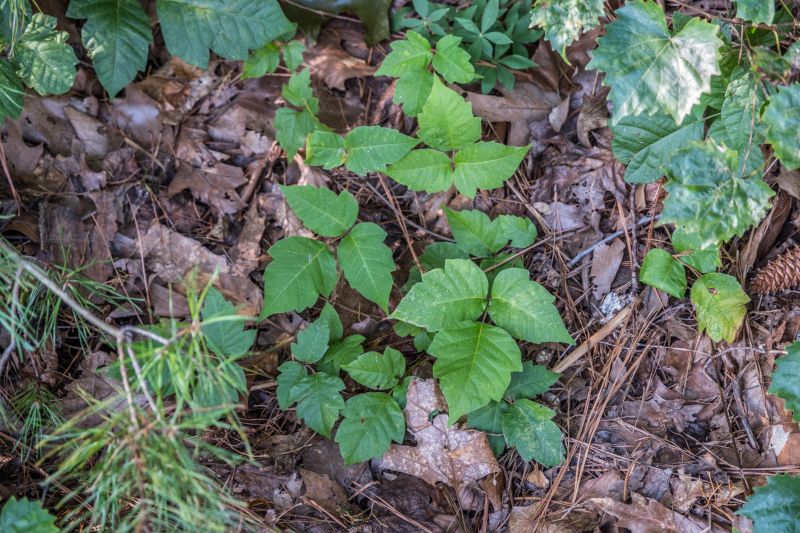
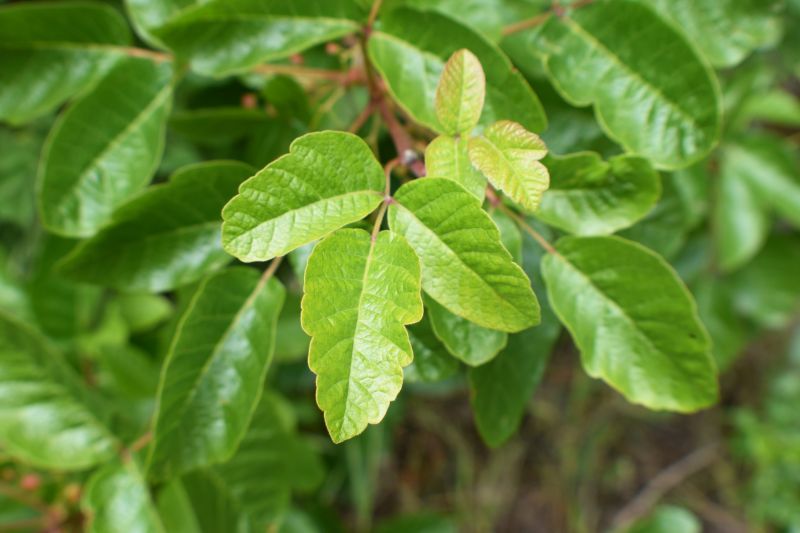
Identifying poison oak can help prevent skin irritation and allergic reactions on properties in delaware county, pa.
Signs Of Poison Oak Infestation
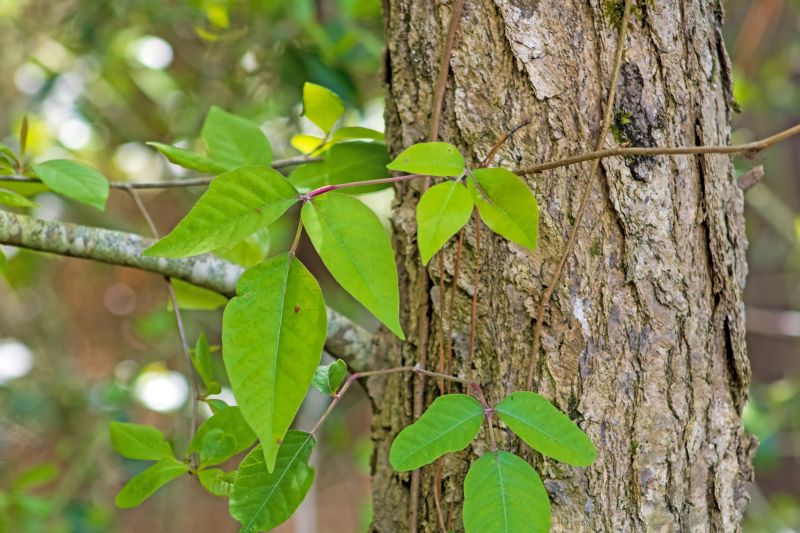
Property owners often notice clusters of reddish leaves and woody stems in shaded areas around their land.
Safe Removal Techniques
Proper removal methods ensure poison oak is eliminated safely, reducing the risk of exposure for residents and pets.
Poison Oak Removal in Delaware County, PA

Poison oak removal services are designed to safely eliminate this hazardous plant from residential properties, helping homeowners reduce the risk of skin irritation and allergic reactions. These services typically involve identifying and carefully removing poison oak from lawns, gardens, wooded areas, or other outdoor spaces. Projects may range from clearing small patches in flower beds to larger-scale removals in overgrown yards or wooded sections, ensuring the property is safer and more enjoyable for outdoor activities.
Property owners interested in poison oak removal should understand the importance of proper identification and removal techniques to prevent regrowth and exposure. It is helpful to inquire about the methods used, the experience with similar projects, and any necessary follow-up maintenance. Proper removal not only minimizes health risks but also helps maintain the aesthetic appeal and safety of outdoor spaces around homes and properties in the Delaware County area.
Many property owners in Delaware County, PA look into Poison Oak Removal for repairs, replacements, upgrades, and appearance-related improvements.
Common Poison Oak Removal Jobs
Poison Oak Removal - Safely eliminates poison oak from residential and commercial properties.
Brush Clearing - Clears dense poison oak growth in yard or landscape areas.
Selective Removal - Targets specific poison oak plants to protect surrounding vegetation.
Overgrown Area Cleanup - Restores safety and appearance by removing poison oak from overgrown spaces.
Property Maintenance - Prevents future poison oak growth through targeted removal and control methods.
Yard Restoration - Reclaims outdoor spaces affected by poison oak encroachment.
Poison Oak Removal Questions
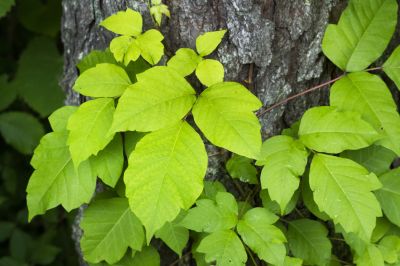
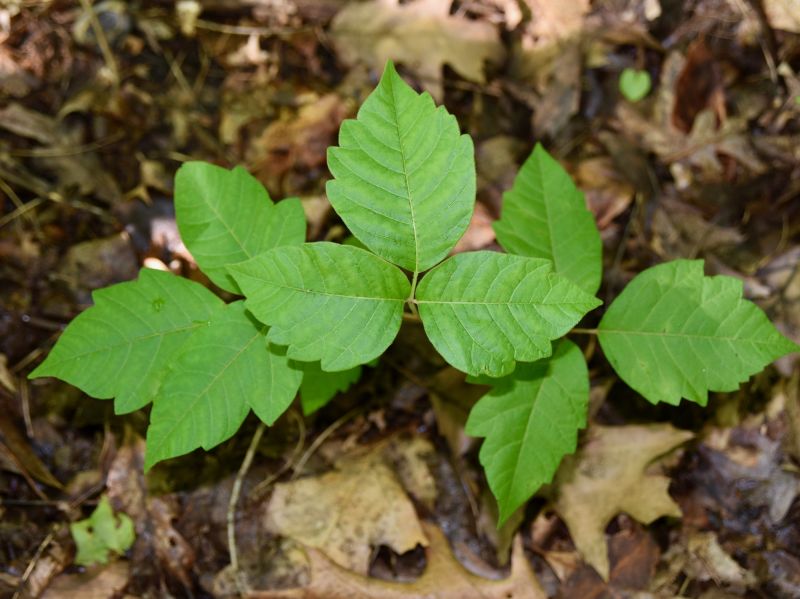
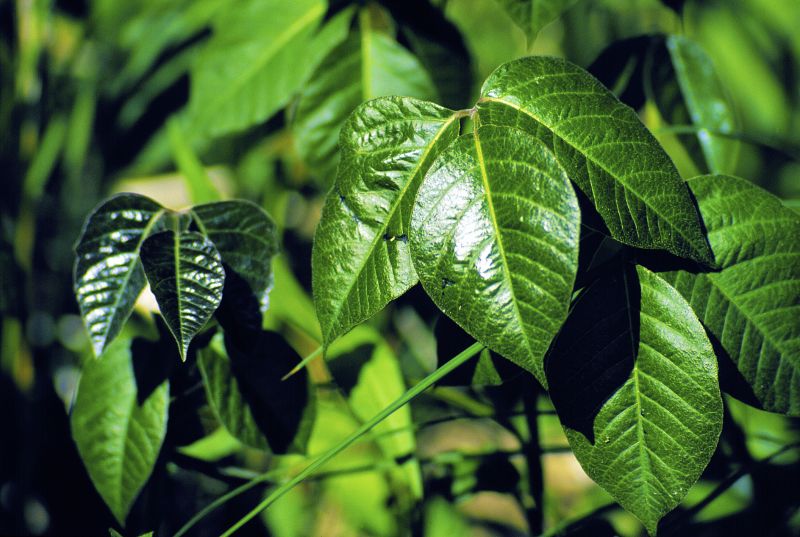
What is poison oak removal? Poison oak removal involves safely eliminating the plant to prevent skin irritation and property damage.
When should poison oak be removed? Removal is recommended when poison oak is growing in areas accessible to people or pets, or when it begins to spread.
How is poison oak removed? The process typically includes manual removal, herbicide application, or a combination of both, depending on the site.
Why hire a professional for poison oak removal? Professionals ensure safe and effective removal, reducing the risk of skin contact and regrowth.
Request Poison Oak Removal in Delaware County, PA
Use the quote form on this page to share the basics of your project and request more information for the type of work you need.