Tree Debris Removal in Honolulu, HI
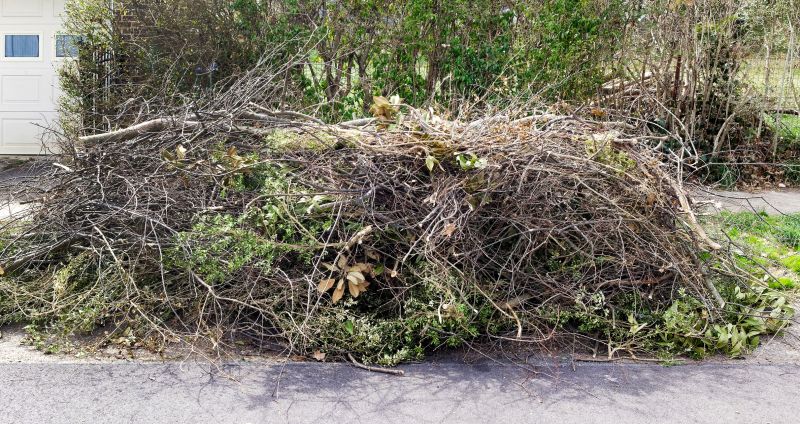
Tree debris removal services involve the clearing and disposal of fallen branches, leaves, and other organic material resulting from storms, pruning, or general yard maintenance. This service covers a variety of projects, including cleaning up after storms, trimming overgrown trees, and maintaining a tidy landscape. Homeowners typically want to understand what types of debris are included, the scope of the cleanup, and how the removal process might impact their property to ensure the area remains safe and visually appealing.
Property owners considering tree debris removal should assess the extent of the debris, the size and number of branches or leaves involved, and any specific areas that require special attention. It’s helpful to clarify whether the service includes removal of large branches or only smaller yard waste, as well as any disposal or recycling options available. Understanding these details can help ensure the cleanup meets expectations and maintains the health and appearance of the landscape.
Many property owners in Honolulu, HI look into Tree Debris Removal for repairs, replacements, upgrades, and appearance-related improvements.
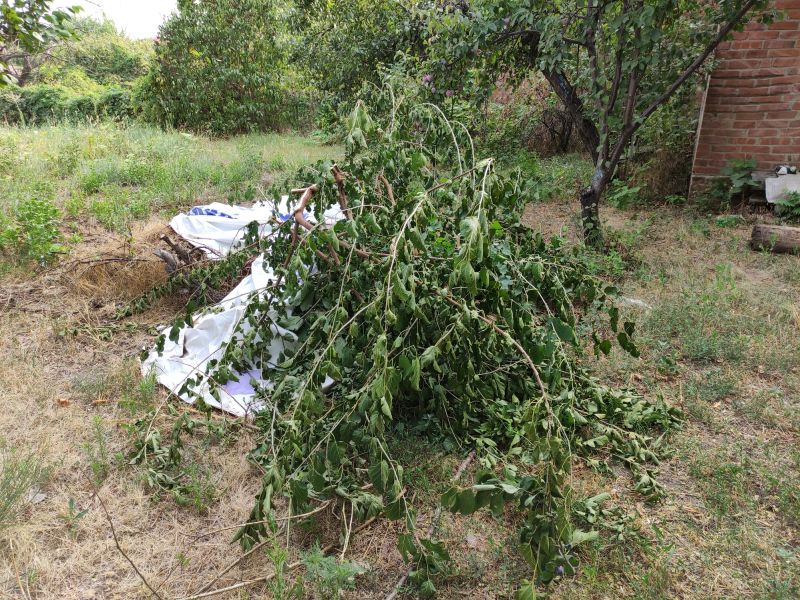
Yard Cleanup And Debris Removal
Clearing fallen branches and leaves to keep outdoor spaces tidy and safe.
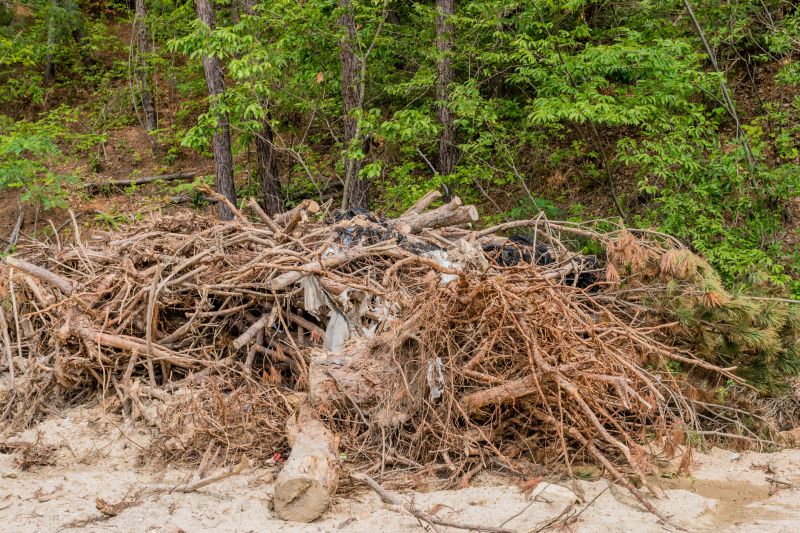
Storm Damage Debris Clearing
Removing tree limbs and debris after storms to protect property and prevent hazards.
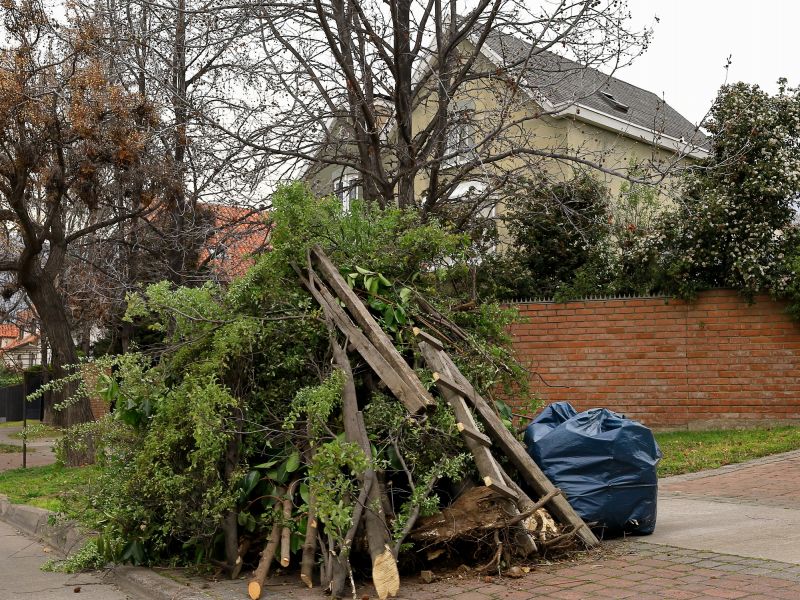
Tree Limb And Branch Disposal
Efficiently hauling away excess branches and tree debris to maintain landscape appearance.
Tree Debris Removal in Honolulu, HI

Tree debris removal services involve the clearing and disposal of fallen branches, leaves, and other organic material resulting from storms, pruning, or general yard maintenance. This service covers a variety of projects, including cleaning up after storms, trimming overgrown trees, and maintaining a tidy landscape. Homeowners typically want to understand what types of debris are included, the scope of the cleanup, and how the removal process might impact their property to ensure the area remains safe and visually appealing.
Property owners considering tree debris removal should assess the extent of the debris, the size and number of branches or leaves involved, and any specific areas that require special attention. It’s helpful to clarify whether the service includes removal of large branches or only smaller yard waste, as well as any disposal or recycling options available. Understanding these details can help ensure the cleanup meets expectations and maintains the health and appearance of the landscape.
Many property owners in Honolulu, HI look into Tree Debris Removal for repairs, replacements, upgrades, and appearance-related improvements.
Common Tree Debris Removal Jobs
Tree debris removal services clear fallen branches, leaves, and other yard waste to maintain a tidy landscape.
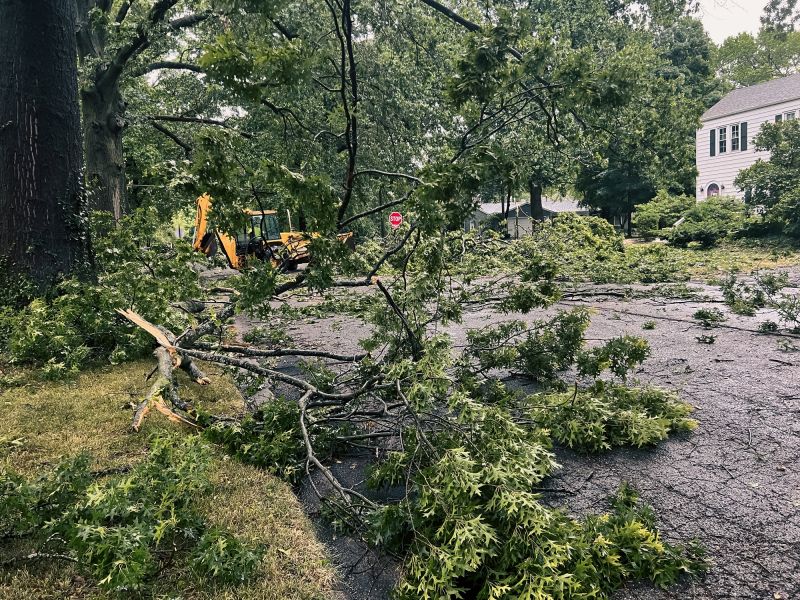
They handle the cleanup of storm-damaged trees and scattered debris after severe weather events.
Services include pruning and trimming to prevent dead or hazardous branches from falling.
Yard waste removal helps reduce fire hazards and keeps outdoor spaces safe and accessible.
Debris removal supports lawn health by preventing mold, rot, and pest infestations.
Proper cleanup ensures outdoor areas look neat and are ready for seasonal changes.
Tree Debris Removal Questions
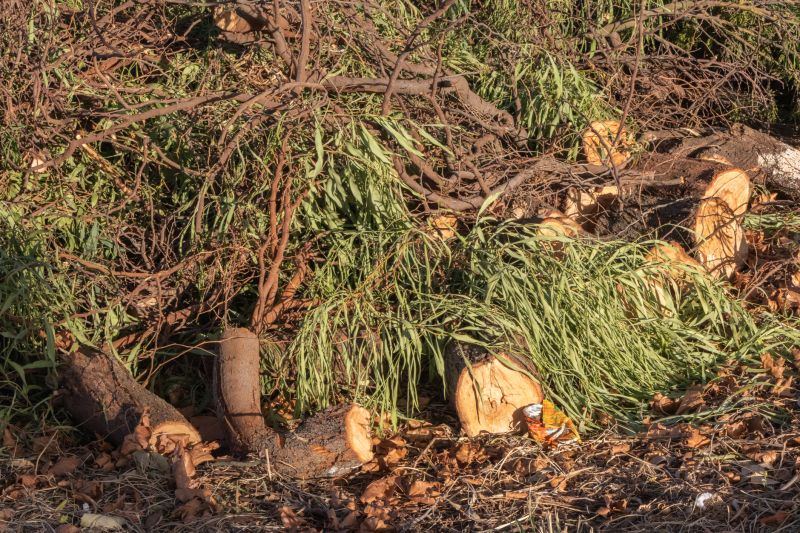
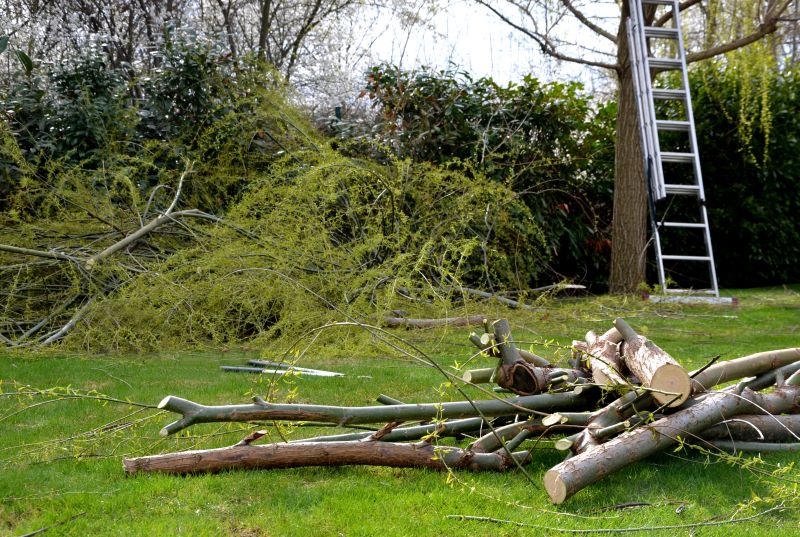
What types of tree debris removal are available? Services include clearing fallen branches, storm debris, and trimming leftover wood and leaves from properties.
Is tree debris removal suitable for large or hazardous trees? Yes, the service can handle debris from trees of various sizes, including those that are damaged or pose safety concerns.
What should property owners do before debris removal? It’s helpful to clear pathways and ensure access to the affected areas for efficient cleanup.
How does tree debris removal benefit a property? Removing debris helps maintain landscape appearance, prevents pest issues, and reduces the risk of damage or injury.
Request Tree Debris Removal in Honolulu, HI
Use the quote form on this page to share the basics of your project and request more information for the type of work you need.