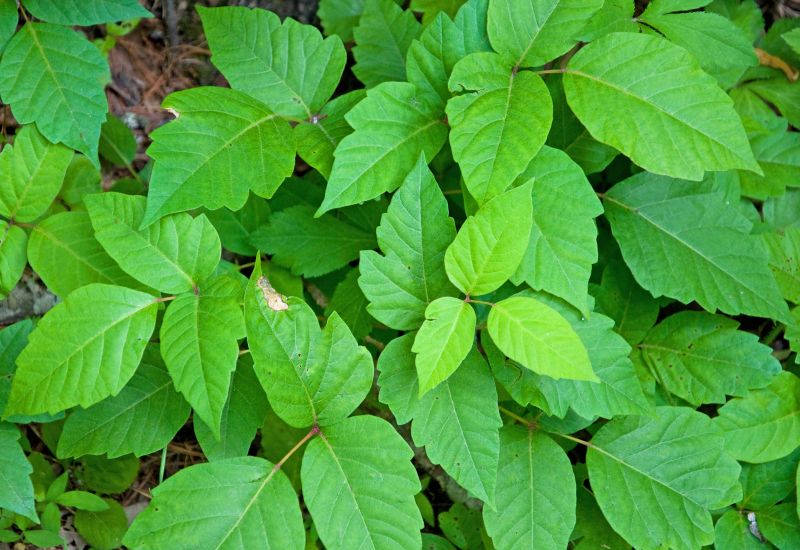
Poison Ivy Removal in Harford County, MD
Poison ivy removal services focus on safely eliminating this common plant from residential properties, helping homeowners maintain a safe and comfortable outdoor space. These services typically cover a range of projects, including clearing poison ivy from yards, gardens, fences, trees, and other landscape features. Property owners often seek this service to prevent skin irritation, protect children and pets, and improve the overall appearance of their outdoor areas by removing invasive and potentially harmful plants.
Before requesting poison ivy removal, property owners should consider the extent of the infestation and the location of the plants, especially if they are growing near structures or valuable landscaping. Understanding whether the plants are accessible for safe removal and if there are any nearby sensitive areas can help determine the best approach. Clear communication about the size of the affected area and any specific concerns can ensure the removal process is effective and tailored to the property's needs.
Many property owners in Harford County, MD look into Poison Ivy Removal for repairs, replacements, upgrades, and appearance-related improvements.
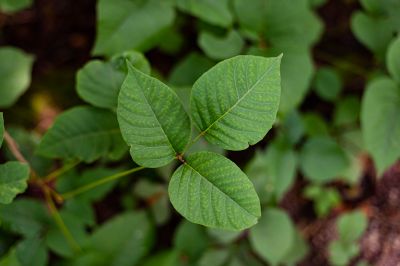
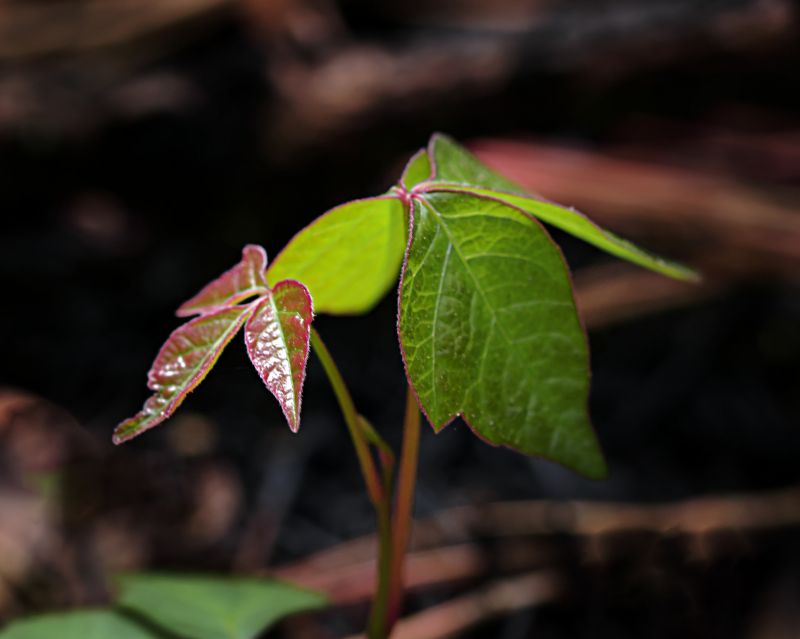
Identifying Poison Ivy
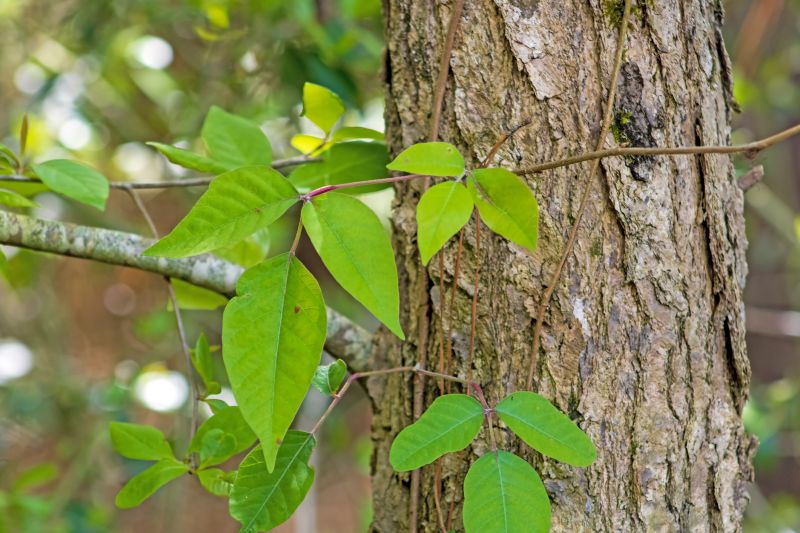
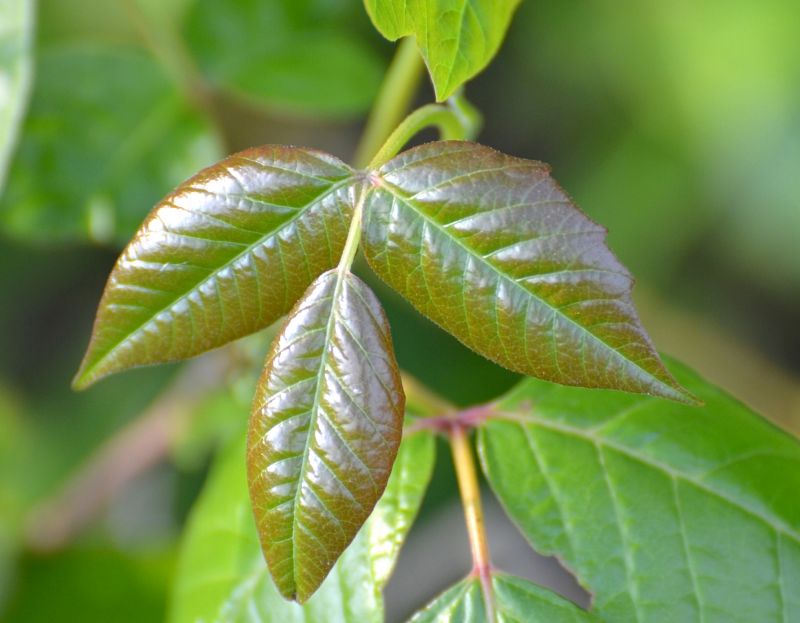
Recognizing the signs of poison ivy helps prevent skin irritation and further spread on properties in harford county.
Safe Removal Methods
Proper removal techniques ensure the plant is eliminated without harming surrounding landscape or posing health risks.
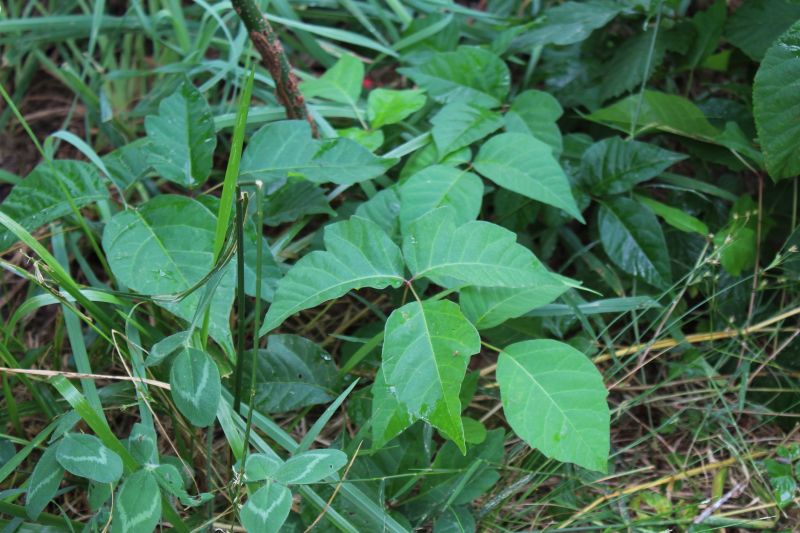
Preventing Future Growth
Implementing effective strategies can reduce the chances of poison ivy regrowth in yards and wooded areas.
Poison Ivy Removal in Harford County, MD
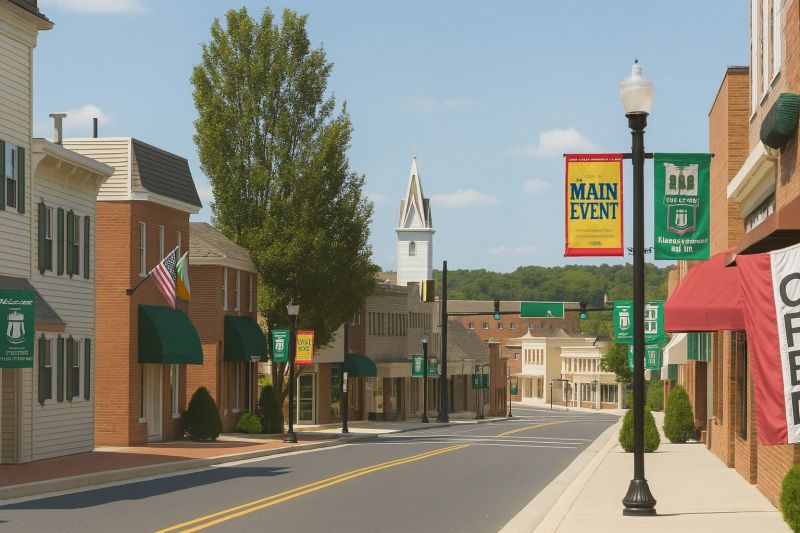
Poison ivy removal services focus on safely eliminating this common plant from residential properties, helping homeowners maintain a safe and comfortable outdoor space. These services typically cover a range of projects, including clearing poison ivy from yards, gardens, fences, trees, and other landscape features. Property owners often seek this service to prevent skin irritation, protect children and pets, and improve the overall appearance of their outdoor areas by removing invasive and potentially harmful plants.
Before requesting poison ivy removal, property owners should consider the extent of the infestation and the location of the plants, especially if they are growing near structures or valuable landscaping. Understanding whether the plants are accessible for safe removal and if there are any nearby sensitive areas can help determine the best approach. Clear communication about the size of the affected area and any specific concerns can ensure the removal process is effective and tailored to the property's needs.
Many property owners in Harford County, MD look into Poison Ivy Removal for repairs, replacements, upgrades, and appearance-related improvements.
Common Poison Ivy Removal Jobs
Poison Ivy Removal - Safe elimination of poison ivy from yards and landscapes.
Yard Clearing - Removal of invasive plants to restore natural beauty.
Property Maintenance - Regular clearing to prevent poison ivy regrowth.
Landscape Cleanup - Clearing overgrown areas that may harbor poison ivy.
Brush and Shrub Removal - Clearing dense vegetation that can contain poison ivy.
Vegetation Control - Targeted removal to keep properties safe and accessible.
Poison Ivy Removal Questions
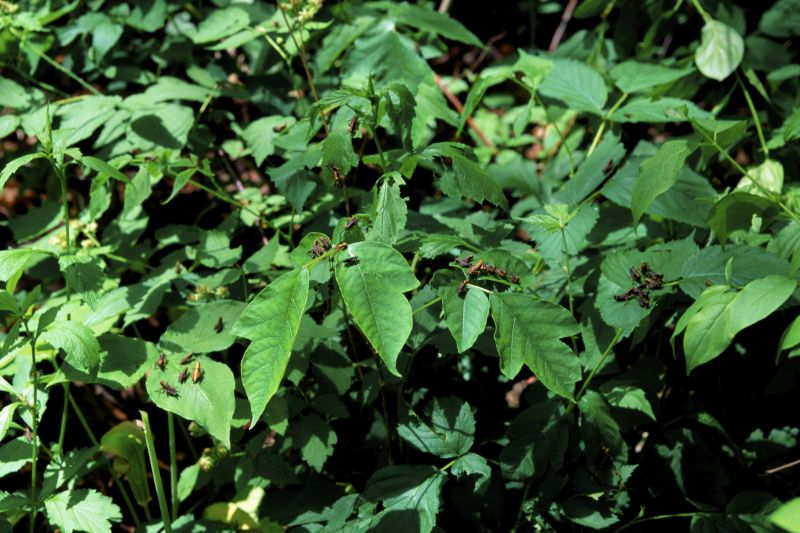
What is poison ivy removal? Poison ivy removal involves safely eliminating the plant from a property to prevent skin irritation and environmental spread.
When should poison ivy be removed? Removal is recommended when poison ivy is growing in areas accessible to children, pets, or where it poses a risk to landscape health.
How is poison ivy removed? The process typically includes carefully cutting and removing the plant, followed by proper disposal to prevent regrowth.
Is poison ivy removal safe for my landscape? Yes, professional removal methods are designed to target the plant while minimizing impact on surrounding plants and soil.
Request Poison Ivy Removal in Harford County, MD
Use the quote form on this page to share the basics of your project and request more information for the type of work you need.